Retail Window Displays That Get Photographed, Not Just Seen
Retail wisdom says a window has roughly three seconds to stop someone. That's still true — but the window has a second job now. The displays that pay for themselves aren't just seen; they're photographed, posted and geotagged. Designing for the camera changes what a good window is made of.
Depth is what flat windows can't fake
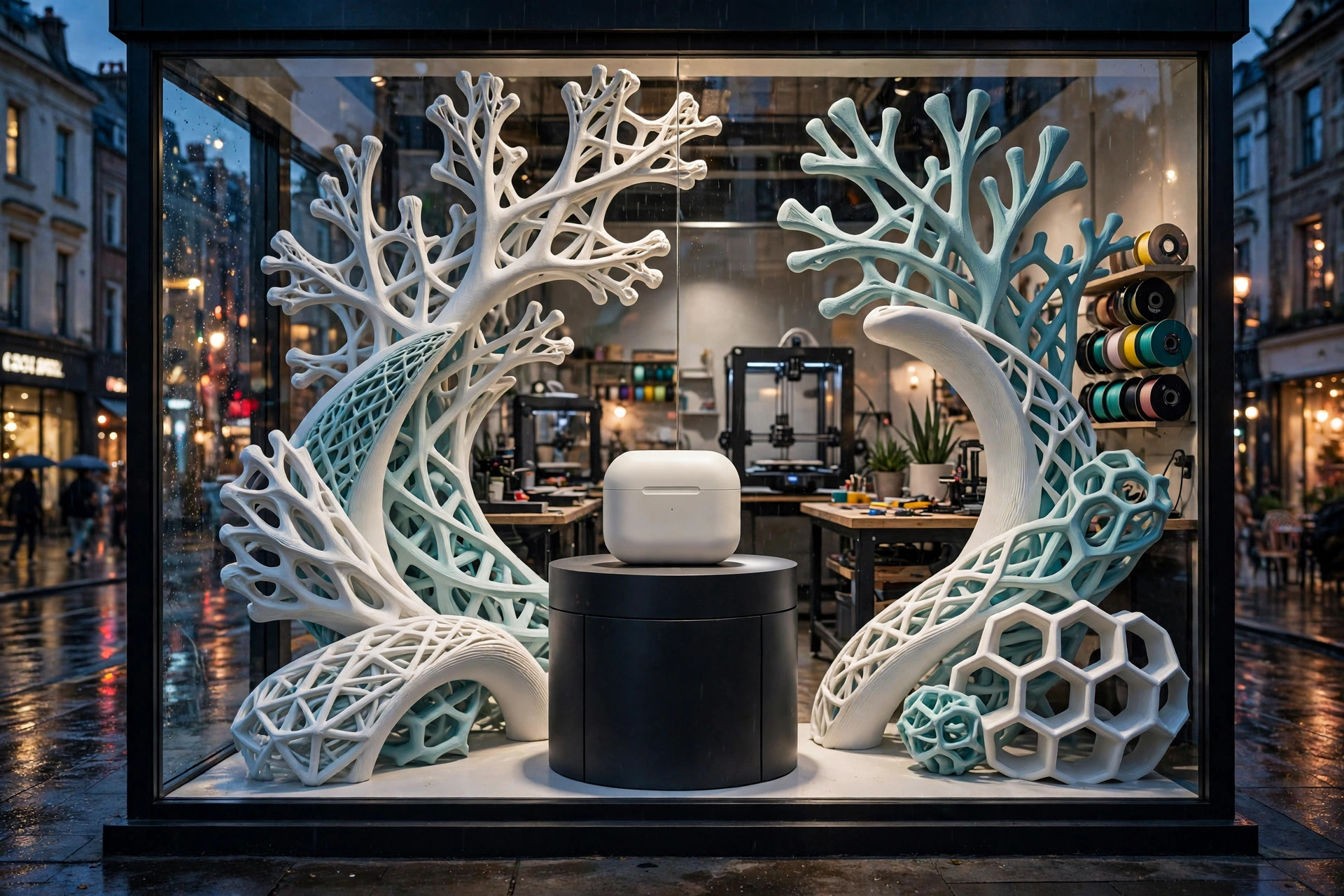
Vinyl, posters and printed backdrops all live on one plane, and the eye reads them instantly as 'advertising' — and moves on. Dimensional elements break the plane: a product floating mid-window, a sculptural wave behind the merchandise, an oversized seasonal piece leaning into the glass. Real depth creates real shadow and parallax as people walk past, and movement is what the peripheral vision is built to catch.
Brief for the photograph
- One hero element: a single unmistakable subject beats a crowded window in every photo.
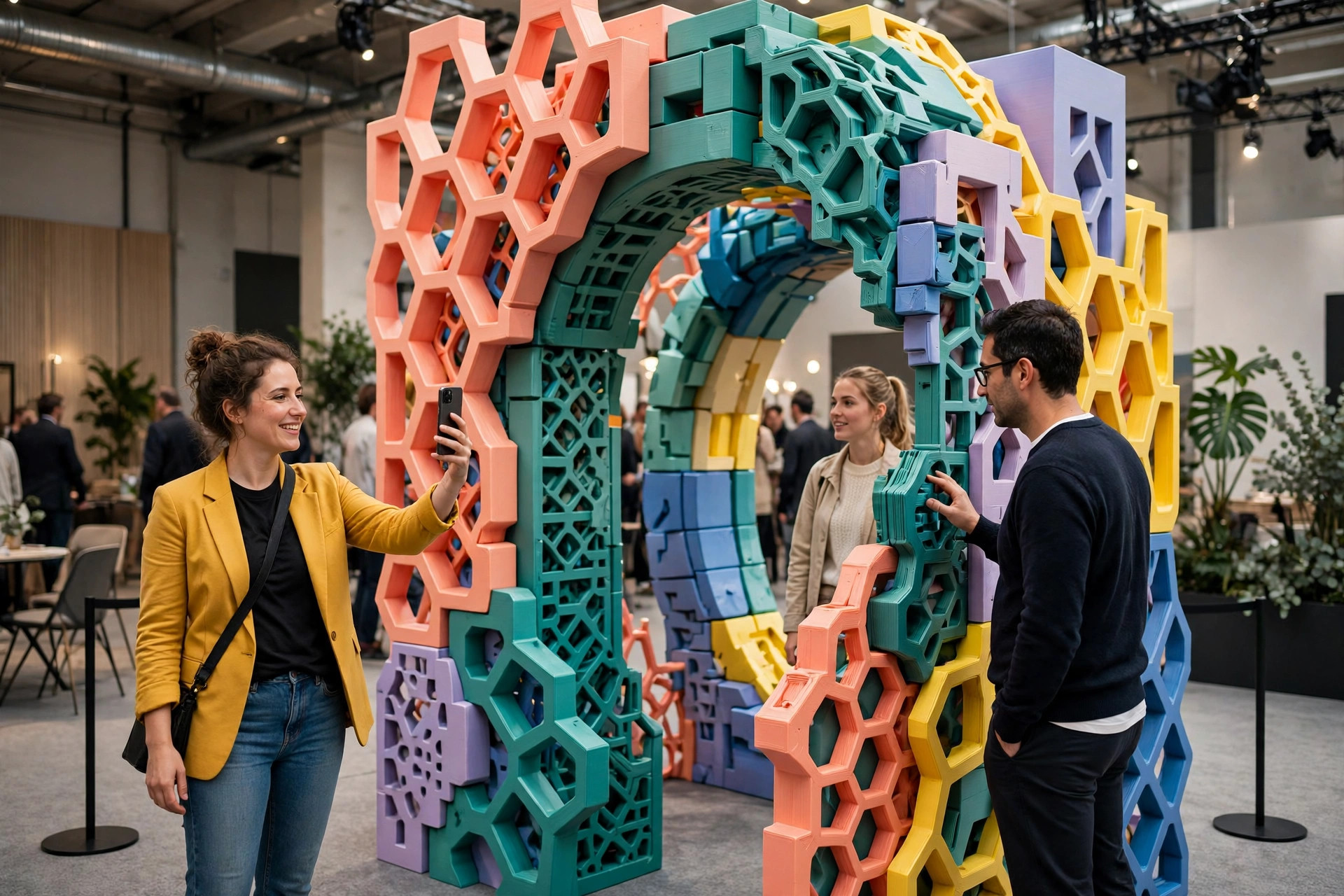
- A human position: leave a spot where a person can stand in frame with the display — that's the shot that gets posted.
- Lighting for phones: bright, even and warm beats moody for shareability.
- Readable at thumbnail size: if the idea doesn't survive a phone screen, simplify it.
Why 3D printing suits retail rhythms
Retail runs on seasons and campaign change-outs, and displays have to travel, assemble fast and store flat. Sectional 3D fabrication fits that rhythm: large pieces are printed in parts, finished to brand standard, installed quickly and removed cleanly — and the same design can be reprinted for multiple locations so every store's window tells the same story.
The window is the most honest media buy a retailer owns: no algorithm, no skip button, just three seconds and a sidewalk. Making it dimensional is how you win both.
Got a brand moment to build?
Tell 51 A.D. the story you want to tell — we'll come back with concepts for a physical piece your audience can stand next to, touch and photograph.