3D Printing vs. Traditional Prop Fabrication: An Honest Comparison
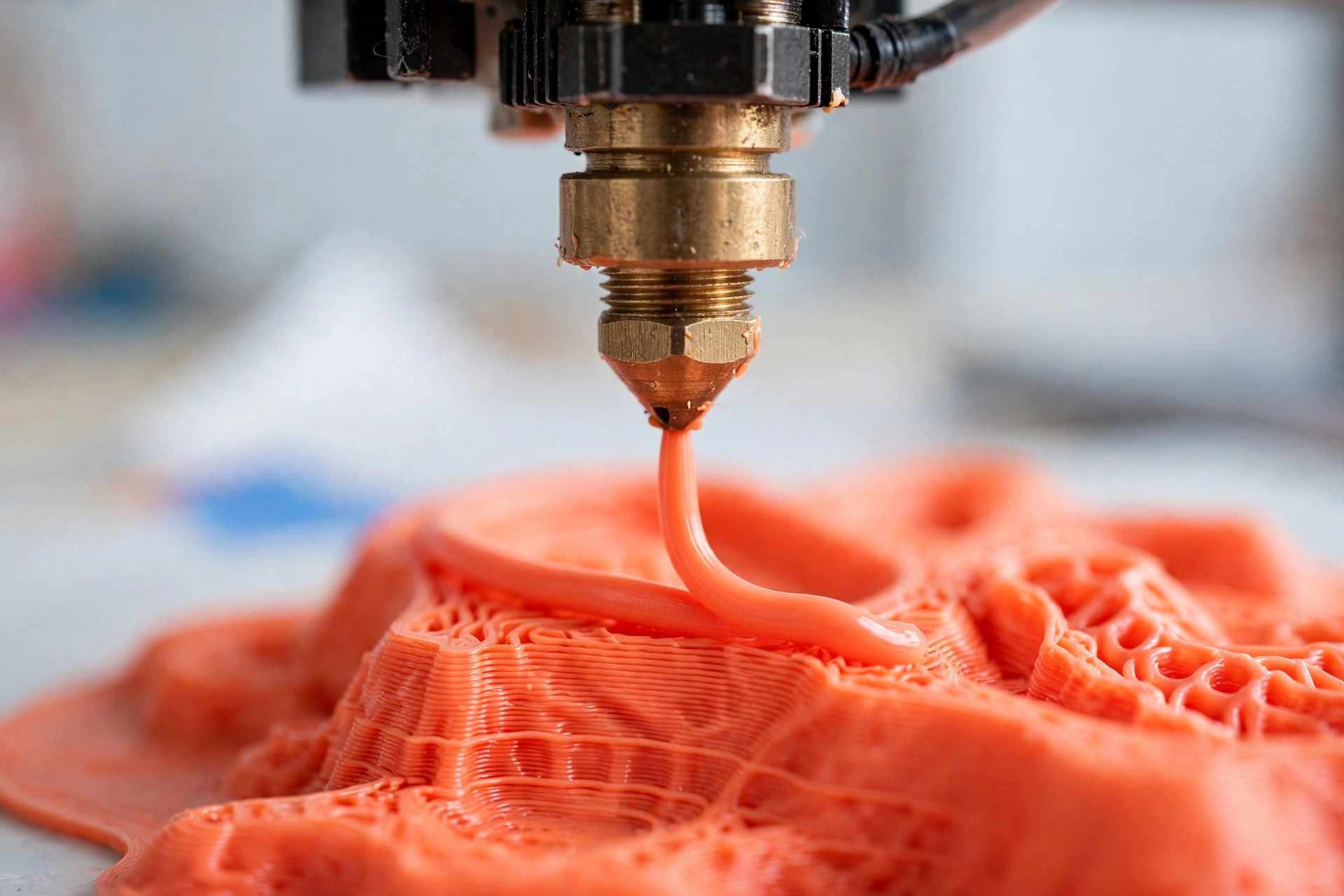
3D printing gets the headlines, but walk into any good prop shop and you'll still find foam blocks, CNC routers and fibreglass moulds — because each method does something the others can't. The honest question for a campaign piece isn't 'which technology is best?' It's 'which combination builds this piece, at this scale, on this schedule?' Here's how the trade-offs actually break down.
The methods side by side
| 3D printing | Foam carving & CNC | Fibreglass | |
|---|---|---|---|
| Detail & complexity | Reproduces the digital model faithfully — texture, lettering and undercuts included | Superb in skilled hands, but fine detail is slow, manual work | Only ever as detailed as the mould or master it comes from |
| Changing the design | Edit the file and print again — iteration is built in | Patch, re-carve or start the piece over | A design change usually means a new mould |
| Best suited to | One-offs and short runs with complex shapes, no moulds required | Very large, simple forms and hand-sculpted organic shapes | Repeated copies and hard-wearing outdoor shells |
| Surface & finish | Layer lines are sanded, sealed and coated before paint | Sculpted surfaces seal and paint directly | Smooth, tough, weather-resistant finish straight from the mould |
Iteration speed is the real divide
Traditional fabrication front-loads its decisions: once the carve is done or the mould is pulled, changes are surgery. Printing keeps the design alive as a file. A client can hold a small prototype, ask for the logo bigger and the base narrower, and see the revised version without anyone re-carving a thing. For campaign work — where the piece is approved by brand teams, partners and venue managers — that flexibility is often worth more than any single material property.
Most real pieces are hybrids
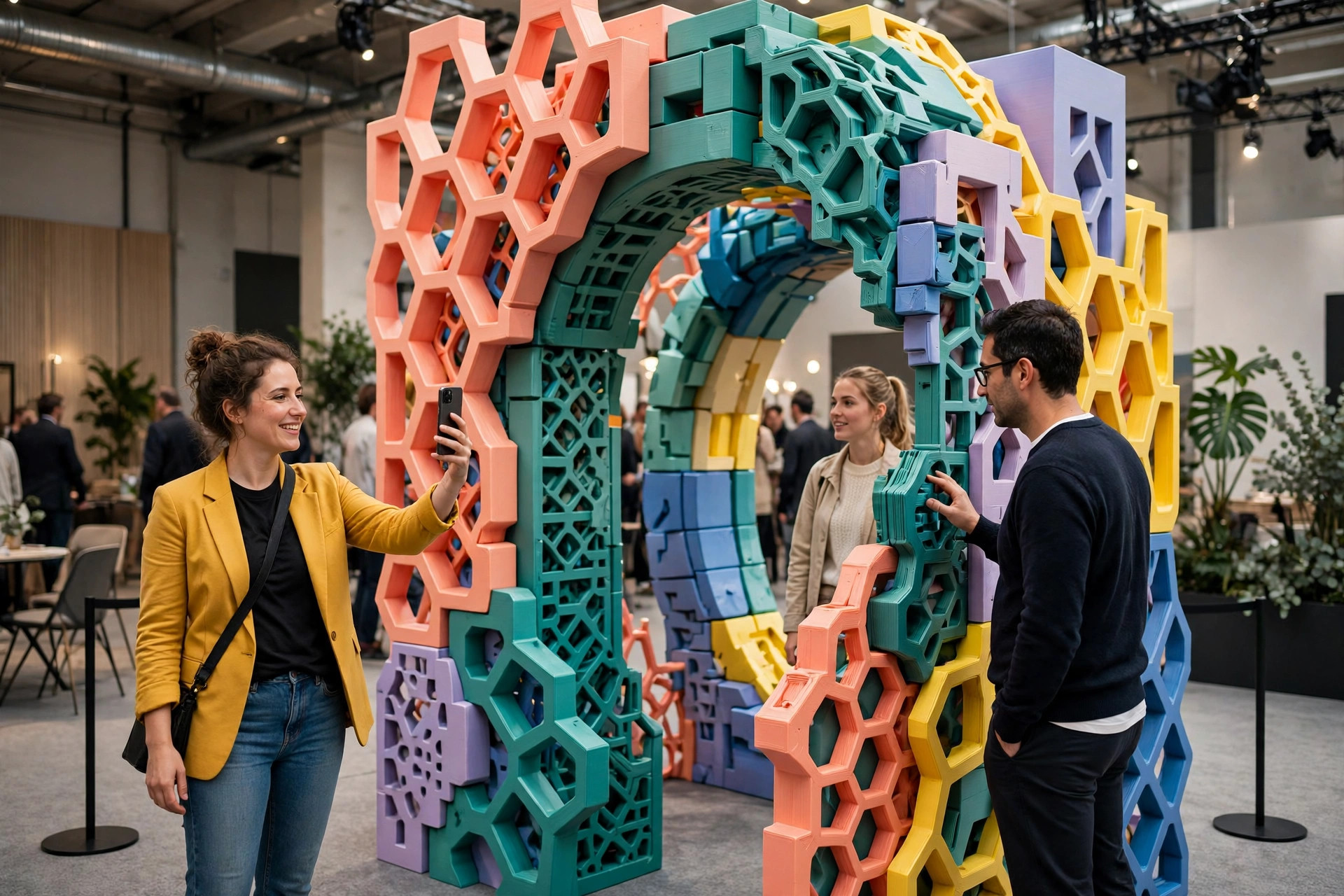
In practice, the methods share the job. A large replica might be printed in sections over a structural frame, with CNC-cut bases and hand-applied finishing. A sculpted character might start as a carved master, get moulded, and come out in fibreglass for a multi-city tour. And almost everything, however it's made, passes through the same finishing bench: filling, sanding, priming, colour matching and protective coats. The craft hasn't been replaced — it's been rearranged.
At 51 A.D. we print, build and finish under one roof in Scarborough, so the method follows the piece rather than the other way around. If you're weighing up how a prop or display should be made, bring us the design — we'll tell you honestly which route we'd take, and why.
Want to hold the idea before you build it?
Our rapid prototyping service turns your concept into a physical object your team can judge properly — quickly, and long before production.